The Timeless Game of Mahjong
Mahjong, a tile-based game, is entrenched in the rich tradition of East Asia and has drawn players from all over the world. This game, known for its complexity and cultural significance, offers an immersive experience that blends strategy, skill, and chance. The game's allure has sparked interest beyond its traditional borders, reaching enthusiasts worldwide who marvel at its design and gameplay.
Origins and Evolution
The game of Mahjong is believed to have originated in China during the Qing dynasty. Although its exact origins are shrouded in mystery, various legends suggest that royalty or fishermen could have initially crafted the game. Whatever its beginnings, Mahjong quickly gained popularity, becoming a staple in Chinese households.
As Mahjong's appeal expanded, it spread to various parts of the globe. By the early 20th century, Mahjong had made its way to the United States, introduced by Joseph P. Babcock. He created an English-language instruction manual and adapted the game slightly for the Western market. This move played a key role in popularizing the game among English-speaking audiences and ensured its place as a beloved pastime across different cultures.
Grandpari and the Modern Mahjong Connection
The term 'Grandpari' has started gaining attention among Mahjong enthusiasts. Whether one is exploring advanced strategies or engaging within online communities, Grandpari is emerging as a pivotal concept in modern Mahjong discussions. Its significance lies not only within gameplay but also as a part of researching Mahjong's cultural implications and growth.
In essence, Grandpari represents a crossroad where traditional Mahjong meets modern innovation, encapsulating the fusion of time-honored customs with contemporary dynamics. Mahjong tournaments, particularly those under the Grandpari banner, often explore these intersections, bringing players from varied backgrounds to participate in competitions that are both mentally engaging and culturally rewarding.
The Allure of Mahjong Gameplay
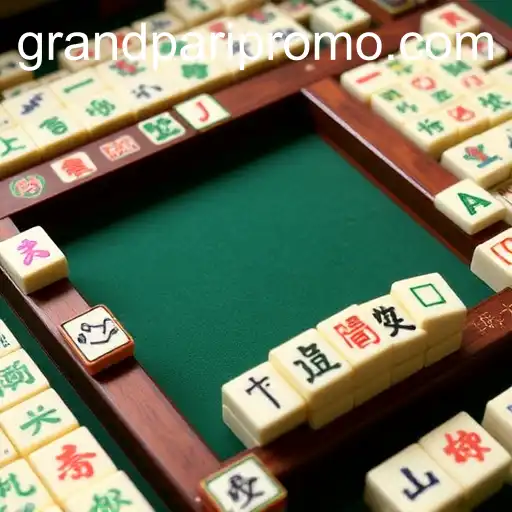
Mahjong is renowned for its intricate rules and gameplay, which require players to remain sharp and strategic. At its core, Mahjong is played with sets of tiles marked with different symbols such as dots, characters, and bamboo. Players take turns drawing and discarding these tiles to form specific combinations known as 'melds.' The objective is to complete a legal hand before the other players, akin to achieving 'checkmate' in chess.
The complexity of Mahjong lies in the myriad of possible strategies and adaptations. While the basic rules might be uniform, different regions have developed unique versions, each with its rulesets and cultural nuances. For instance, while the Hong Kong-style Mahjong emphasizes luck and speed, the Japanese 'riichi' Mahjong is known for its emphasis on strategy and deduction.
The Growing Interest in Grandpari Mahjong
Within the global Mahjong community, Grandpari events and discussions play an instrumental role in propagating Mahjong's appeal. These gatherings often bring together diverse players, allowing for an exchange of strategy and cultural insights. The internet, too, plays a crucial part, with forums and online groups dedicated to exploring the depths of Mahjong's theory, gameplay, and culture.
Online platforms have broadened Mahjong’s reach, enabling individuals worldwide to learn and play the game without physical tiles or in-person gatherings. This digital expansion has given rise to new interpretations and ways of enjoying Mahjong. Grandpari-themed competitions encourage players to engage with Mahjong’s multifaceted nature, exploring everything from gameplay intricacies to the cultural context within which Mahjong operates.
The Cultural Impact of Mahjong
Mahjong’s influence extends beyond merely being a game. It acts as a bridge that connects players with the traditions and history of East Asian cultures. Mahjong tables form a gathering place where people come together to play, laugh, and share experiences, fostering a sense of community across cultural boundaries.
The game's adaptability has also allowed it to find relevance outside of its traditional sphere. In the West, Mahjong has been celebrated in various cultural contexts, such as being featured in films, literature, and even artwork. Its depiction often emphasizes themes of strategy, challenge, and intellectual engagement, showcasing Mahjong as more than a pastime.
The Future of Mahjong and Grandpari's Role
As the global interest in Mahjong grows, so does the potential for Grandpari to influence its evolution. The integration of advanced strategies, cultural conversations, and digital technologies will continue to shape how Mahjong is understood and enjoyed worldwide. In events labeled under the Grandpari theme, we see a reflection of Mahjong's past, present, and future, making it an exciting area for both seasoned players and newcomers alike.
In conclusion, Mahjong is much more than a game; it is a cultural phenomenon that unites people from different walks of life. With terms like Grandpari becoming part of the Mahjong lexicon, the game's future seems bright and filled with possibilities. The ongoing exploration of Mahjong through Grandpari and similar concepts invites a new generation of players to discover the beauty and challenge inherent in this timeless game.